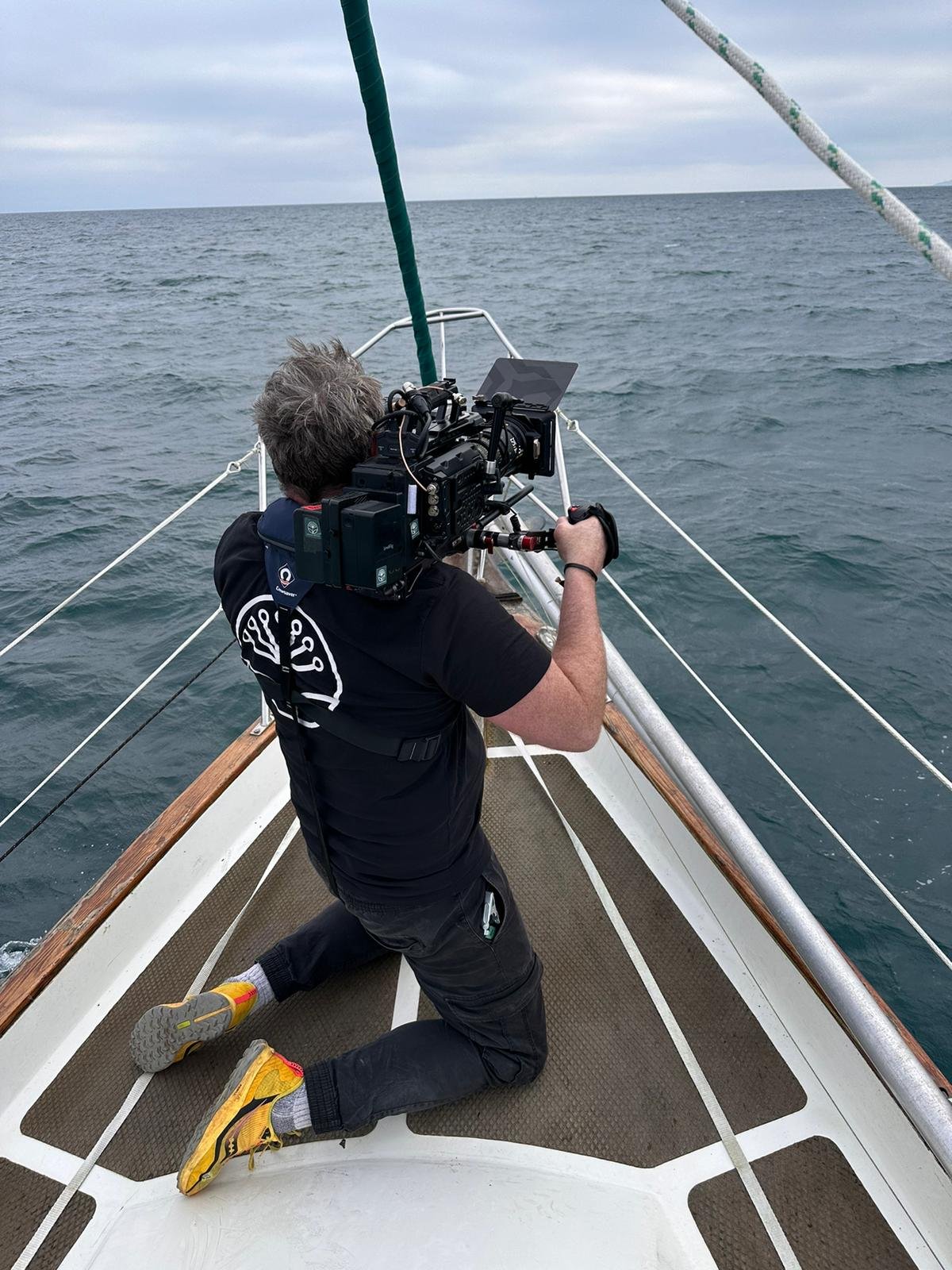
Last year, I was working as a DP on a corporate shoot. My AC turned out to be one of my favourite DPs I’ve had the pleasure of working with over the years — although, on this particular job, he was there doing sound. His career had started as a sound recordist, so apparently he’d decided that being annoyingly good at everything was the way forward.
During a break, he excitedly showed me some footage from a fashion shoot he’d recently worked on. It looked fabulous. Lustrous, ethereal, full of character. It had a lovely, unquantifiable quality which draws you into the image.
He asked me what lenses I thought he’d used.
Knowing he was a RED owner and a lover of Cooke glass, I confidently plumped for Cooke S4 primes.
He gleefully announced that they were actually a collection of M42-mount Asahi Pentax Super-Takumars.
I was already suffering from a mild inferiority complex in his company, so I felt slightly ashamed to admit that I hadn’t come across this particular glass and had absolutely no idea what he was talking about.
Which, of course, only encouraged him.
For the next few minutes I was regaled with stories of sourcing, buying and shooting with vintage stills lenses. And, to be fair, the results spoke for themselves.
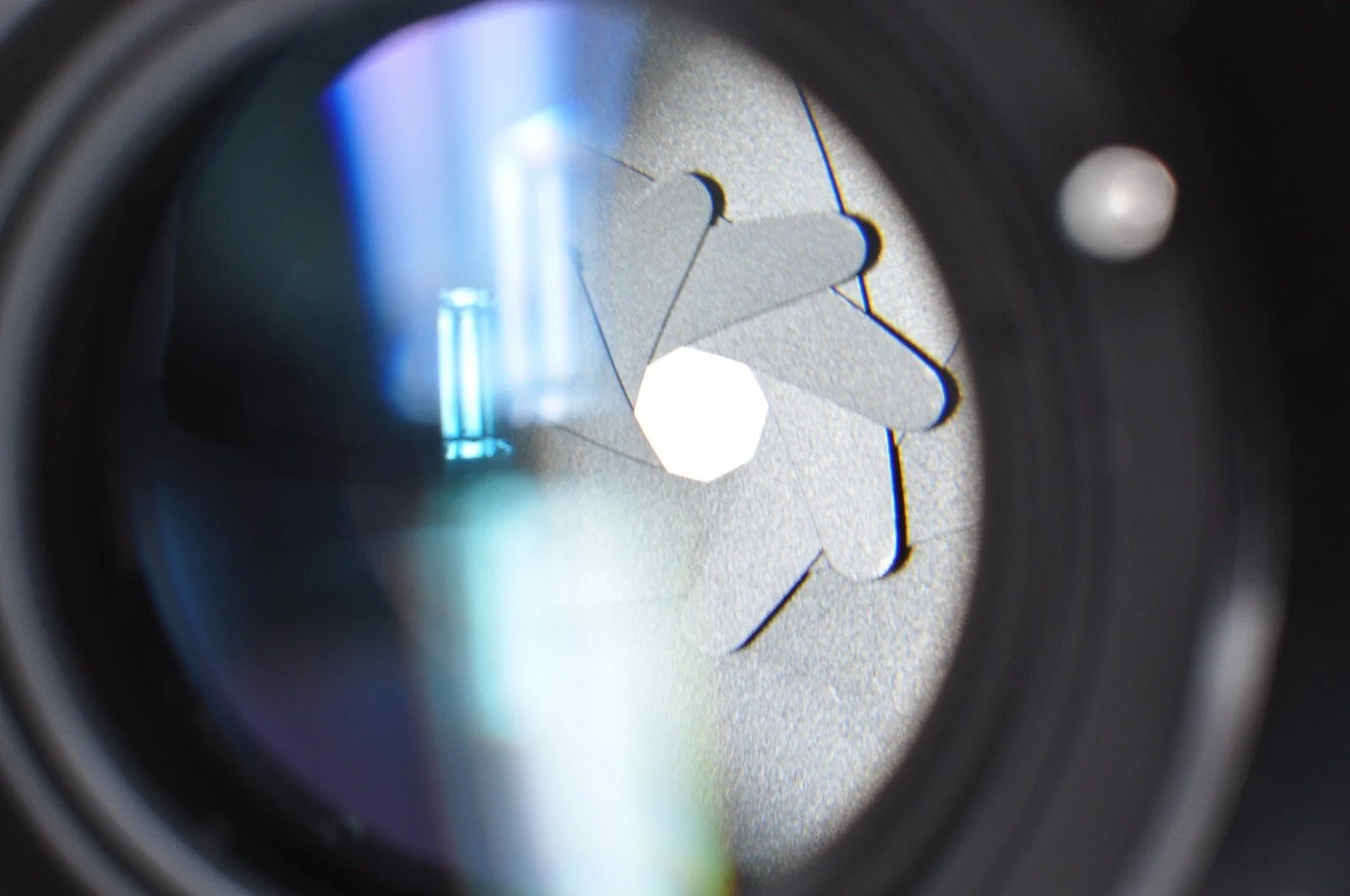
A little bit of history…The Super-Takumar range came out of Asahi Optical’s M42 screw-mount lens system in the 1960s, with individual focal lengths arriving at different times. The Super-Takumar 35mm f/3.5, for example, dates from 1962, while the 35mm f/2 arrived later in the decade. The range subsequently evolved into the Super-Multi-Coated Takumar lenses from 1971 onwards, bringing improved multi-coating and, in many cases, updated optical designs.
Some versions are also famous — or perhaps infamous — for using thorium-containing optical glass. Over time, that glass can develop a yellow or amber cast, giving some of these lenses an even more distinctive character. Not every Takumar is radioactive, though, so it’s very much a case of knowing which version you’ve got. And that, I suppose, is where the rabbit hole begins.
Because since that conversation, Moon Carrot Media has become rather fond of vintage glass. Why vintage? There’s something wonderfully democratic about vintage lenses.
Modern cinema lenses are extraordinary pieces of engineering. They’re designed to be incredibly sharp, consistent, controlled, neutral. And when you need that, they’re brilliant. But sometimes perfect isn’t what the story needs. Vintage lenses can introduce a little imperfection into the image: gentler contrast, softer rendering, distinctive flare, subtle colour shifts and character in the out-of-focus areas. Some have beautiful, distinctive bokeh — the famous swirly rendering of a Helios 442 being a good example — while others simply have a lovely way of rolling from sharpness into softness. They can make skin feel a little kinder. They can give highlights a bit more life. They can introduce just enough optical personality to stop an image feeling overly clinical. And perhaps most importantly, they can give a picture a feeling, which, ultimately, is what interested us.
There’s not much point having the latest camera, the biggest sensor and enough processing power to launch a small satellite if the image itself isn’t engaging. The lens is part of that storytelling toolkit. And they’re not exactly expensive…another reason we love them. It’s possible to put together a really useful collection of vintage M42 glass for a fraction of the cost of a modern matched cinema prime set. That doesn’t mean they’re a direct replacement — they absolutely aren’t — but it does mean we can have a whole palette of different looks available to us without having to sell a kidney.
We can adapt our Blackmagic camera setups and use appropriate lens adapters on our full-frame L Mount LUMIX S1II, which means we can put these lenses to work across a good chunk of our kit.
The practical side can be a little more fiddly. These are stills lenses, after all. They weren’t designed with cinema focus motors, matte boxes, follow-focus systems or lens metadata in mind. Once you start adding 2 adapters, gears and support, focus marks and aperture markings don’t always end up where you’d ideally like them.
There’s no electronic metadata. No optical image stabilisation. Some can show chromatic aberration when used wide open. And once you get into the wider focal lengths, the options become more limited and generally slower. But that’s part of the fun.
Now, surely all this is too good to be true? Well… yes, for example not every second hand lens you buy is necessarily in the condition you might hope. I may have spent two days treating our Super-Takumar 35mm f/2 with UV light to remove the yellowing caused by thorium-containing glass.
Despite the quirks, we’ve become rather attached to them.
Our collection now includes a healthy selection of Super-Takumars and SMC Takumars, from the 24mm f/3.5 through to the 135mm f/2.5, and we’ve recently added a Zeiss Jena DDR Flektogon 35mm f/2.4 to the mix. The Super-Takumar 24mm f/3.5 is an M42 lens dating from the late 1960s, while the later Super-Multi-Coated version followed in the early 1970s.
And these aren’t just sitting on a shelf looking handsome. We’ve shot Premier League ENG work with them, rigged them up with LiDAR and focus motors on DJI RS4 Pros, and regularly use them for master interviews and documentary work.
That’s probably the biggest compliment we can give them. They’re not a novelty. They’re working lenses. Are they the answer to all our lens needs? No. Of course not. There are jobs where we want modern cinema glass. There are situations where we need absolute consistency, speed, precision and all the mod-cons. But are these old bits of beautifully engineered glass a little ace up our sleeve? Absolutely and we love them.